
Compassion Meets Comfort: The Psychological Perks of Private, Exclusive Addiction Treatment

Why Comfort Matters in Recovery

Addiction recovery is not only about breaking free from substances or unhealthy patterns. It is also about creating an environment where emotional healing can thrive. The setting in which treatment takes place has a direct influence on how safe, supported, and motivated a person feels during recovery. Private, exclusive addiction treatment combines professional care with comfort and compassion, allowing clients to focus fully on their well-being without the distractions or stress of a clinical atmosphere.

The Role of Privacy in Emotional Healing

Privacy is often one of the most underestimated aspects of treatment. In a private rehab setting, clients can work through sensitive issues without fear of stigma or judgment. This sense of confidentiality promotes openness during therapy sessions, which is crucial for addressing the underlying causes of addiction and mental health challenges.

Key Psychological Benefits of Privacy

  • Reduced anxiety about being judged or labeled.
  • Greater willingness to participate in therapy and group discussions.
  • A safe space to process emotions honestly and without pressure.

With privacy comes peace of mind, and that psychological reassurance helps clients focus more deeply on healing.

Comfort as a Catalyst for Recovery

The physical environment in private, exclusive rehab centers is designed to reduce stress and promote balance. From serene surroundings to thoughtfully designed living spaces, comfort creates a sense of calm that supports emotional stability.

Why Comfort Supports Psychological Well-Being

  • A calm environment lowers stress levels, helping clients manage cravings more effectively.
  • Comfortable, home-like settings reduce the sense of being institutionalized.
  • Amenities such as meditation spaces, fitness facilities, and holistic therapies help clients build confidence in healthy routines.

When the body feels safe and at ease, the mind can focus on the deeper emotional work needed for lasting recovery.

The Power of Individualized and Holistic Care

No two people experience addiction in the same way, which is why personalized treatment plans are essential. In private rehab, clients receive individualized attention that integrates evidence-based therapy with holistic and faith-based practices. This combination addresses the whole person—mind, body, and spirit.

Psychological Impact of Individualized Care

  • Increased trust in the process because treatment feels personally relevant.
  • Greater emotional resilience through therapies that align with values and beliefs.
  • A sense of empowerment from being treated as an individual rather than a number.

Holistic approaches such as yoga, mindfulness, art therapy, and nutrition counseling also help clients reconnect with themselves in positive ways. These practices reinforce emotional balance and give clients tools they can carry into life beyond treatment.

Exclusive Rehab Builds Confidence and Motivation

Recovering in an environment that blends compassion with comfort fosters a sense of dignity. Clients are reminded that they are worthy of care, which builds self-esteem and motivation to stay committed to recovery. This psychological shift can make a significant difference in preventing relapse and encouraging long-term success.

Taking the Next Step Toward Healing

The journey to recovery is about more than medical care. It is about creating the right emotional environment where healing feels possible. Private, exclusive addiction treatment offers not just professional expertise but also the psychological benefits of privacy, comfort, and individualized care. If you or a loved one is ready to begin, choosing a compassionate and supportive setting may be the key to building a brighter, healthier future.
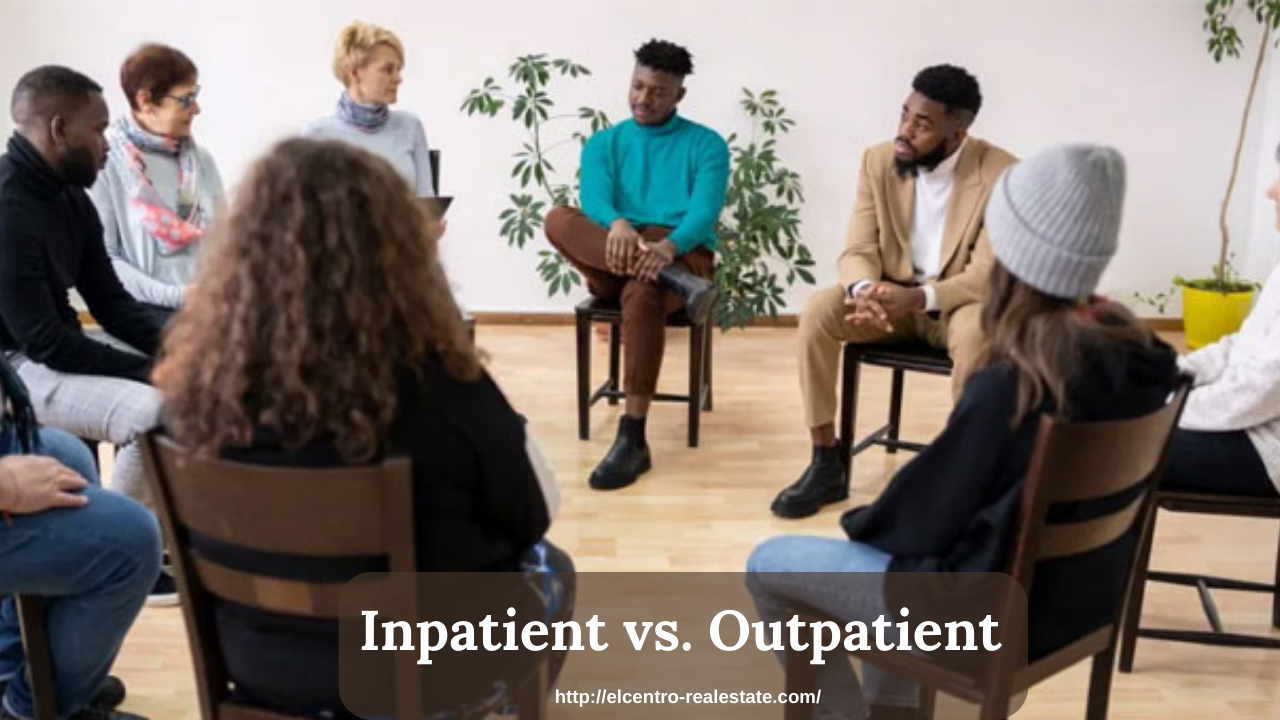

Inpatient vs. Outpatient in a High-End Setting: What Private Rehab Means for Your Recovery Journey

Understanding Your Options in Recovery

Deciding to seek treatment for addiction or mental health challenges is a courageous first step. One of the most important choices you will make early on is whether to enter an inpatient or outpatient program. Both approaches can be highly effective, but each offers a different level of support and structure. When delivered in a private, high-end rehab setting, both inpatient and outpatient care are elevated by comfort, privacy, and individualized attention, making the recovery process more effective and less overwhelming.

What Is Inpatient Treatment?

Inpatient treatment provides a structured, immersive environment where individuals live full-time at the rehab center. This option is ideal for those who need a high level of support, supervision, and guidance, especially during the early stages of recovery.

Key Benefits of Inpatient Care

  • 24/7 medical and emotional support to help manage withdrawal symptoms, cravings, and mental health concerns.
  • A distraction-free environment that removes outside stressors, making it easier to focus entirely on healing.
  • Access to holistic therapies such as yoga, meditation, nutrition counseling, and art therapy that complement evidence-based treatments.
  • A strong daily routine that builds structure, accountability, and healthy new habits.

In a high-end setting, inpatient care also offers private accommodations, serene surroundings, and resort-level amenities. These comforts are more than conveniences. They create a calm, stress-free atmosphere where healing can truly begin.

What Is Outpatient Treatment?

Outpatient treatment allows individuals to receive professional care while continuing to live at home or in supportive housing. This option is best suited for people who have already completed inpatient treatment or those with milder forms of addiction or mental health issues who need flexibility.

Key Benefits of Outpatient Care

  • Flexible scheduling that allows clients to maintain work, family, or school responsibilities.
  • Ongoing therapy and counseling to address triggers and strengthen relapse prevention strategies.
  • Access to holistic and faith-based services while still practicing recovery skills in real-world settings.
  • Continuity of care that keeps individuals connected to professional support as they transition back into everyday life.

In a private, high-end rehab, outpatient clients benefit from the same quality of personalized treatment and holistic care as inpatient clients, but with the freedom to balance recovery with daily life.

How to Decide Which Program Is Right for You

The choice between inpatient and outpatient care depends on several factors, including the severity of addiction, the presence of co-occurring mental health conditions, and the level of support available at home. A professional assessment can help determine which path offers the best chance for long-term recovery.

In many cases, individuals begin with inpatient care to stabilize and build a strong foundation, then transition into outpatient treatment as they regain independence and confidence. This stepped approach allows for continuity, ensuring recovery remains strong as clients move forward.

The Private Rehab Difference

What sets high-end rehab apart is not just the level of comfort but the depth of personalized care. Smaller staff-to-client ratios mean more one-on-one attention, while the inclusion of holistic and faith-based options allows treatment to align with each person’s values and needs. Whether inpatient or outpatient, private rehab emphasizes healing in an environment designed to reduce stress and promote well-being.

Taking the Next Step

Choosing between inpatient and outpatient care is not easy, but both options can lead to lasting recovery when delivered in a supportive, compassionate, and private setting. If you or a loved one is ready to begin the journey, reaching out today can help you take the first step toward healing, balance, and a brighter future.

Beyond Basic Care: Why Upscale Treatment Centers Deliver More Effective Addiction Recovery

Raising the Standard in Addiction Recovery

Addiction recovery is a journey that requires more than willpower. It demands expert guidance, comprehensive care, and an environment that supports emotional, mental, and physical healing. While traditional treatment centers offer essential care, upscale treatment facilities take recovery a step further by combining individualized therapy, advanced mental health support, and serene, comfortable surroundings. This elevated approach enhances the recovery experience and significantly improves outcomes for individuals seeking lasting change.

The Role of Individualized Treatment

Every person’s journey through addiction is unique. High-end treatment centers understand that a one-size-fits-all program is rarely effective. With smaller client-to-staff ratios and highly trained professionals, upscale facilities provide personalized treatment plans that address the specific needs, challenges, and goals of each client.

Comprehensive Mental Health Support

Many individuals struggling with addiction also face co-occurring mental health conditions such as anxiety, depression, or trauma. Upscale treatment centers integrate mental health care into their programs, ensuring that these conditions are addressed alongside addiction. Evidence-based therapies like cognitive behavioral therapy, dialectical behavior therapy, and trauma-informed care are paired with holistic approaches such as mindfulness, yoga, and art therapy. This comprehensive support strengthens emotional resilience and equips clients with coping strategies for long-term sobriety.

Holistic and Faith-Based Approaches

Upscale treatment centers often provide holistic care options to complement traditional therapy. Nutrition counseling, fitness programs, acupuncture, and meditation help restore the body and mind, promoting overall wellness. For clients who seek spiritual support, faith-based programs offer guidance, encouragement, and a sense of purpose. By addressing the whole person—mind, body, and spirit—high-end facilities foster deeper healing and a stronger foundation for recovery.

Comfort as a Therapeutic Tool

Comfort is more than luxury. In recovery, feeling safe and supported enhances engagement in therapy and facilitates emotional openness. Upscale centers provide private suites, tranquil outdoor spaces, and restorative amenities that reduce stress and promote relaxation. When clients feel at ease in their environment, they are better equipped to focus on their treatment and embrace positive change.

Flexible Care Options

High-end treatment centers offer both inpatient and outpatient programs to meet varying needs. Inpatient care provides immersive, structured support, while outpatient programs allow individuals to maintain responsibilities such as work or family while continuing treatment. Both models emphasize privacy, individualized care, and a supportive environment that maximizes recovery outcomes.

The Impact on Long-Term Recovery

The combination of personalized care, comprehensive mental health support, holistic therapies, and comfort creates an environment where clients can heal fully and sustainably. Upscale treatment centers empower individuals to develop the skills, habits, and mindset needed for long-term sobriety. The result is not only recovery from addiction but a renewed sense of purpose and well-being.

Taking the Next Step

Recovery is possible, and choosing the right environment is crucial. Upscale treatment centers provide the tools, support, and care necessary to achieve lasting success. If you or a loved one is seeking a transformative recovery experience, reaching out to a high-end facility may be the first step toward a healthier, more fulfilling life.