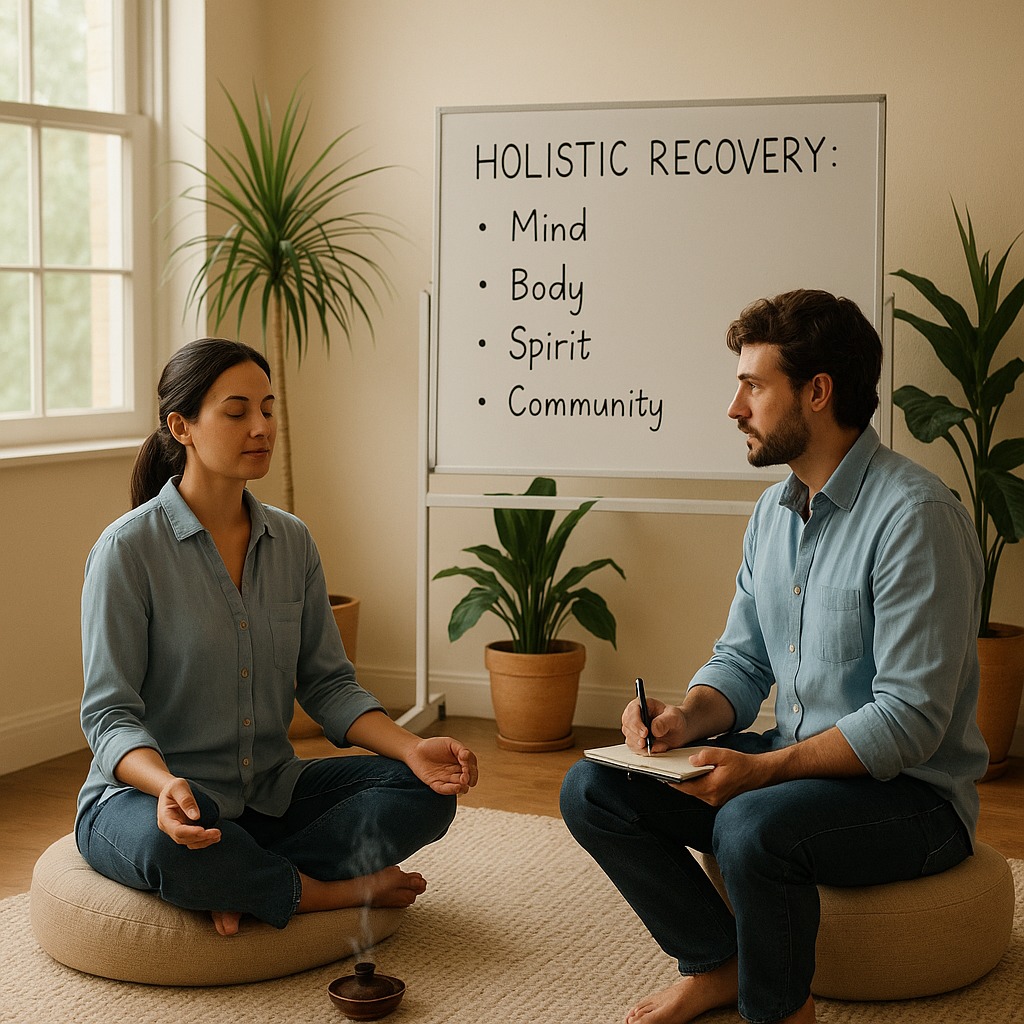
Choosing addiction treatment is a significant decision, and the environment where recovery takes place can influence how comfortable and engaged a person feels throughout the process. Luxury rehab offers more than upscale surroundings. At its best, it brings together professional addiction recovery services, personalized treatment, mental health support, holistic wellness, and a private setting where clients can focus on healing. This comprehensive approach recognizes that lasting recovery requires attention to the whole person, not just the substance use disorder.
For many individuals, addiction is connected to stress, trauma, anxiety, depression, relationship difficulties, or other emotional challenges. Addressing these concerns alongside addiction can create a stronger foundation for long term recovery. Luxury rehab provides an opportunity to combine clinical expertise with compassionate, individualized care in an environment designed to support meaningful change.
What Is Luxury Rehab?
Luxury rehab is a form of addiction treatment that combines comprehensive clinical services with enhanced privacy, comfort, and individualized attention. While comfortable accommodations are often part of the experience, they are not the primary purpose of treatment.
The real benefit comes from creating an environment where clients can step away from distractions, participate fully in therapy, and receive services that reflect their specific recovery needs.
Comfort Can Support Treatment Engagement
Addiction recovery can be physically and emotionally demanding. A comfortable environment can reduce unnecessary stress and make it easier for clients to concentrate on treatment.
Peaceful surroundings, private spaces, nutritious meals, recreational opportunities, and wellness services can encourage relaxation between therapy sessions. When comfort is combined with quality clinical care, the treatment experience can feel more manageable and focused.
Privacy Can Provide Peace of Mind
Privacy is particularly important for individuals who have demanding careers, public responsibilities, family concerns, or strong worries about stigma.
A private treatment environment can allow clients to focus on recovery without feeling exposed. It can also encourage honest conversations about substance use, relationships, trauma, and mental health.
Personalized Treatment Addresses Individual Needs
There is no universal path to addiction recovery. Two people can struggle with the same substance while having completely different reasons for using it and different challenges during recovery.
Comprehensive Assessments Guide Treatment
Personalized rehab begins with understanding the individual. Treatment professionals can consider substance use history, physical health, mental health, family circumstances, previous treatment, and personal goals.
This information helps shape an individualized treatment plan. Depending on the person’s needs, that plan may include individual therapy, group counseling, family support, behavioral therapies, wellness activities, and relapse prevention services.
Treatment Can Change as Recovery Progresses
Recovery is a process rather than a single event. A person’s needs may change as they gain insight, develop coping skills, and become more confident.
Regular evaluations allow treatment professionals to adjust services as necessary. This flexibility helps ensure that care remains relevant throughout the recovery journey.
Mental Health Support Is Central to Lasting Recovery
Addiction and mental health often influence one another. Someone may use substances to temporarily manage anxiety, depression, trauma symptoms, chronic stress, or emotional pain. At the same time, prolonged substance use can make mental health concerns more difficult to manage.
Treating Co-Occurring Conditions
When addiction and mental health concerns occur together, both deserve attention. Comprehensive treatment can help clients explore the connection between their emotional health and substance use.
Therapy can provide tools for managing difficult thoughts and feelings without turning to substances. Addressing underlying concerns can also make it easier to recognize triggers and establish healthier patterns.
Developing Healthier Coping Skills
Long term recovery requires practical strategies for handling stress. Counseling can help individuals recognize unhealthy thought patterns, improve emotional regulation, communicate more effectively, and respond to challenges in healthier ways.
These skills become particularly important after treatment, when clients begin facing everyday responsibilities again.
Holistic Healing Complements Clinical Treatment
Luxury rehab can combine traditional addiction treatment with holistic approaches that support physical, emotional, and spiritual wellness.
Supporting Physical Health
Addiction can affect sleep, nutrition, energy, and overall physical health. Establishing healthy routines during treatment can help restore balance.
Regular physical activity, nutritious meals, adequate sleep, and other wellness practices can contribute to improved energy and emotional stability.
Mindfulness and Stress Reduction
Mindfulness, meditation, yoga, breathing exercises, and similar practices can help clients become more aware of stress and emotional triggers.
These techniques can also provide practical alternatives to substance use when difficult emotions arise. Learning how to pause, recognize an emotional response, and choose a healthier action is an important recovery skill.
Faith Based Support for Those Who Want It
Spirituality can be meaningful for people who draw strength from faith. Faith based approaches can help individuals explore purpose, values, forgiveness, hope, and personal growth.
Spiritual support works best when it reflects the client’s own beliefs and complements professional addiction and mental health treatment.
Inpatient and Outpatient Care Offer Different Benefits
A comprehensive treatment provider may offer different levels of care because recovery needs vary from person to person.
Inpatient Care Creates Structure
Inpatient treatment provides a structured setting where clients can focus on recovery while receiving consistent professional support.
This environment can be especially useful for people who need greater distance from substance related triggers or stressful circumstances. Daily routines, therapy, wellness activities, and clinical guidance can provide stability during early recovery.
Outpatient Care Encourages Continued Progress
Outpatient treatment allows clients to receive ongoing professional care while maintaining responsibilities such as work, school, or family life.
This approach can help individuals practice recovery skills in real world situations while still having access to therapy and support.
Building Recovery Skills for Life After Treatment
A successful treatment program should prepare clients for the period after rehab. Returning to everyday life can introduce new pressures, so preparation is essential.
Relapse Prevention Provides a Practical Plan
Relapse prevention helps individuals identify personal triggers and warning signs. Clients can develop specific strategies for managing cravings, stressful situations, difficult emotions, and high risk environments.
Having a plan can provide greater confidence when unexpected challenges arise.
Aftercare Helps Maintain Progress
Recovery does not have to end when a formal treatment program ends. Continued therapy, support groups, family involvement, alumni services, and other aftercare resources can help clients maintain the progress they have made.
Ongoing support can also provide accountability and encouragement during periods when recovery feels difficult.
The Value of Compassionate Professional Care
Clinical expertise is essential, but addiction treatment also requires empathy. Many people entering rehab have experienced shame, isolation, damaged relationships, or years of feeling misunderstood.
A client centered approach treats individuals with dignity while encouraging personal responsibility. Clients are given opportunities to participate in decisions about their care and identify goals that are meaningful to them.
This balance of professional guidance and compassion can help people feel respected throughout treatment.
Conclusion
Luxury rehab is best understood as a comprehensive approach to addiction recovery rather than simply a more comfortable place to receive treatment. Comfort can reduce distractions and stress. Personalized treatment can address an individual’s specific needs. Mental health support can help uncover and manage underlying concerns. Holistic services can strengthen physical, emotional, and spiritual wellness. Together, these elements can create a stronger foundation for long term recovery.
If you or someone you love is struggling with addiction, choosing the right treatment environment is an important first step. Speak with a qualified treatment professional about available services, levels of care, mental health support, and individualized recovery options. With compassionate guidance and a treatment plan designed around the whole person, recovery can become the beginning of a healthier, more stable, and more purposeful life.